
Unknown Caller vs. No Caller ID: What's the difference?


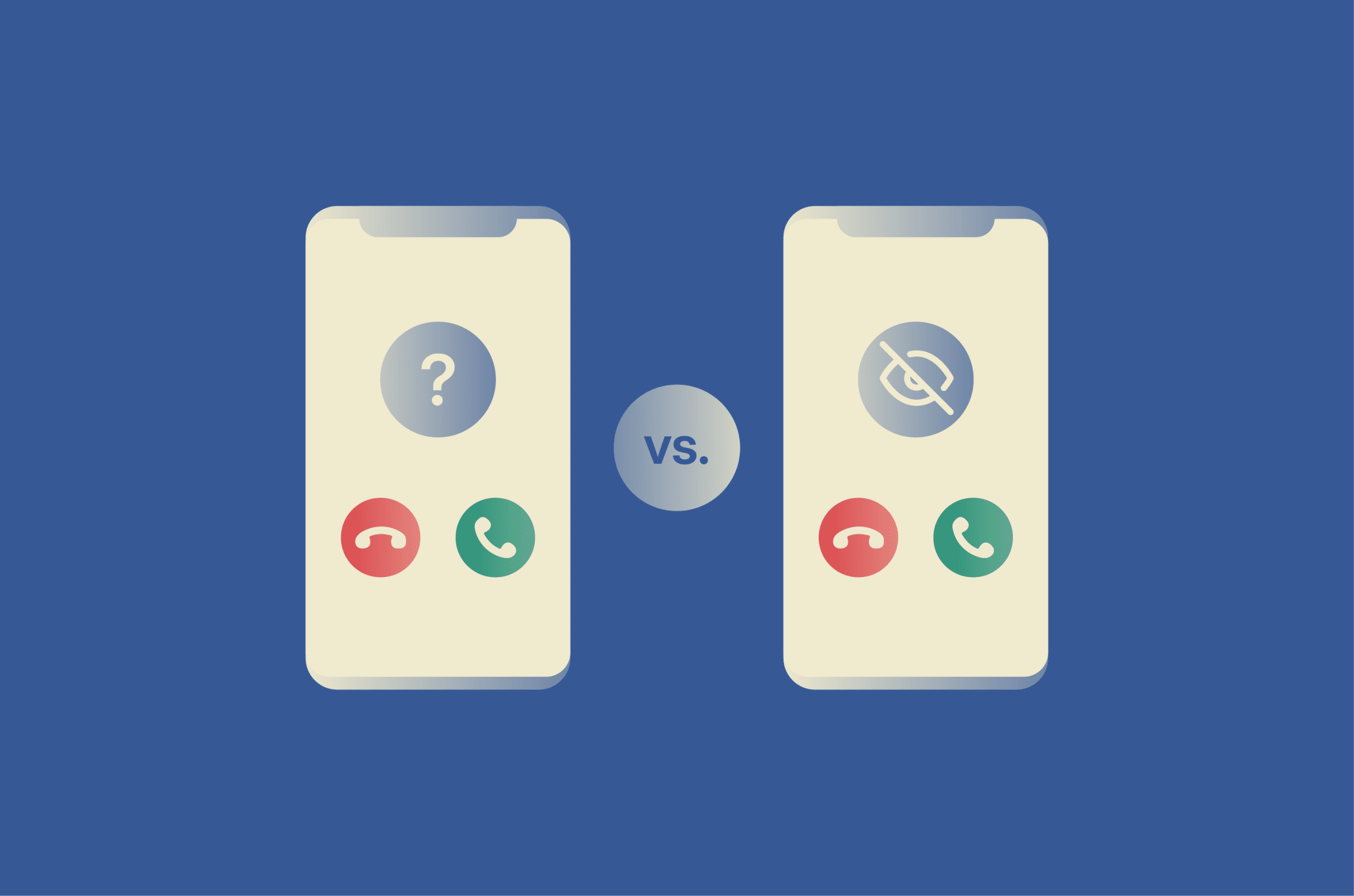
Unknown Caller or No Caller ID may seem like the same thing, but they’re not. That difference matters when you’re deciding whether to answer. Unknown Caller generally means the caller's information could not be displayed, which may indicate a technical issue. No Caller ID usually means the number was intentionally withheld.
We’ll explain what each label means, who may be behind these calls, what the risks are, and how to handle or block them safely.
What does “Unknown Caller” mean?
The Unknown Caller label generally appears when your carrier or device couldn’t identify the caller. The caller ID information may be missing, incomplete, unavailable, or unable to pass correctly between phone networks. In most cases, this happens because of technical limitations rather than anything the caller intentionally did.
Some countries use caller ID authentication or anti-spoofing frameworks to help carriers detect suspicious calls. For example, STIR/SHAKEN is used in the U.S. and Canada, while other countries rely on different rules, network-level blocking, or caller ID validation measures. These systems can make some spoofed calls easier to detect. However, it doesn’t verify the caller’s identity, stop all spoofing, or guarantee that every call will display correctly. That’s one reason Unknown Caller labels can still appear.
Who typically calls from Unknown Caller?
Unknown Caller calls can come from legitimate sources, including:
- International callers whose caller ID information doesn’t transfer cleanly between networks.
- Companies using private branch exchange (PBX) systems or Voice over Internet Protocol (VoIP) services that don’t correctly pass caller ID information.
- Government agencies, schools, hospitals, and other organizations use centralized or privacy-focused phone setups.
- Calls affected by network routing, carrier settings, or other technical issues.
That said, spam call centers, robocallers, telemarketers using poorly configured calling systems, and scammers trying to obscure their identity can also appear as Unknown Caller.
The label alone doesn’t tell you whether a caller is trustworthy. If you don’t answer, a legitimate caller will usually leave a voicemail, send a text, or provide another way to contact them. When in doubt, avoid sharing personal information and call the organization back using their official number.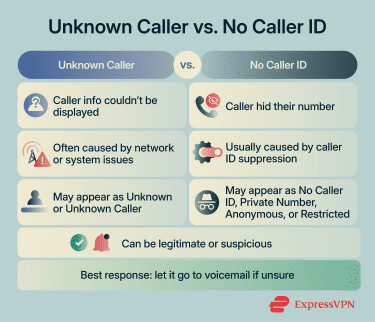
What does “No Caller ID” mean?
No Caller ID usually means the caller chose to hide their number before placing the call. There are several ways to hide the caller ID:
- Dialing a caller ID blocking code before the number. In the U.S. and Canada, that’s *67. In the U.K., it’s 141. Codes vary by country, carrier, and service.
- Disabling caller ID in the phone’s settings, though availability depends on the carrier.
- Using a VoIP service or business phone system that suppresses caller ID.
- Asking the carrier to block the outgoing caller ID by default.
The caller's carrier or phone company may still be able to identify the originating number, but that information usually isn’t shown to the person receiving the call.
Who typically calls from No Caller ID
A hidden number doesn't automatically mean a suspicious call. People and organizations may have legitimate reasons to keep their numbers private. Examples include:
- Doctors who don’t want patients calling their personal or direct line.
- Offices that don’t want to expose a direct internal number.
- Support lines, anonymous tip lines, or safety-related services where privacy may help protect callers or staff.
- Recruiters, lawyers, and other professionals manage call volume.
However, scammers, telemarketers, harassment callers, and organizations that don’t want you to return the call also use No Caller ID to make their calls harder to screen or block. Hidden caller ID doesn’t necessarily make a caller untraceable, though. In some cases, blocked caller ID information may be available to carriers, emergency/security personnel, or law enforcement, such as when authorities need to investigate threatening calls.
Because the caller actively chose to hide their number, No Caller ID deserves a bit more caution than Unknown Caller, but it’s not an automatic cause for alarm. Letting it go to voicemail gives legitimate callers a chance to identify themselves.
Is No Caller ID the same as a blocked number?
Not exactly. “Blocked,” “Private Number,” “Restricted,” “Anonymous,” and “No Caller ID” are labels that different phones and carriers may use when someone hides their number before calling.
However, “blocked number” can also mean something else entirely: a number you’ve personally blocked on your phone. When you block a number, you’re telling your phone to stop calls from a specific contact or number. With No Caller ID, the caller hides their number before the call reaches you.
Unknown Caller vs. No Caller ID: Which is more suspicious?
No Caller ID often raises more questions, not because hidden numbers are inherently dangerous, but because the caller took an extra step to stay unidentifiable. That’s different from a call that shows up as unknown because caller information didn’t display correctly.
That said, both types of call can carry risk. Common scam scenarios behind anonymous or unknown calls include:
- Vishing scams: The caller impersonates your bank, a government agency, tech support, or a delivery company to gain your trust before requesting information, money, or access.
- Payment scams: You’re told you owe money, missed a payment, or need to pay a fine immediately.
- Account security scams: The caller claims there’s suspicious activity on your account and asks for login details, verification codes, or financial information.
- Prize or refund scams: The caller says you’ve won something or are owed a refund, but must first provide personal details or make a small payment.
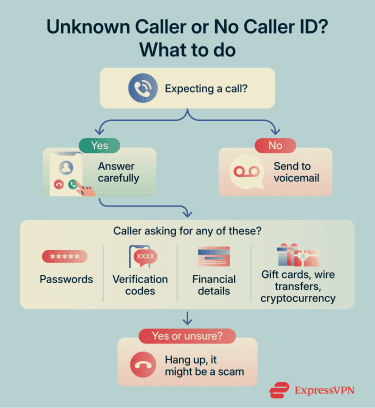
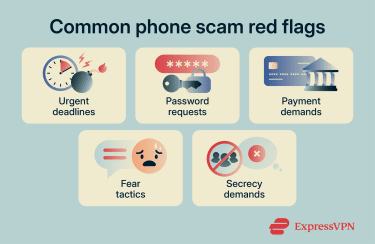 The biggest red flag is pressure. Be wary of any caller who tries to rush you, frighten you, or discourage you from verifying who they are. Other warning signs include requests for passwords, two-factor authentication (2FA) codes, payment details, gift cards, wire transfers, cryptocurrency, or remote access to your device.
One more thing to watch for: “Can you hear me?” scams. The Federal Communications Commission (FCC) warns that some scammers may ask simple yes-or-no questions to record your response or confirm that your number is active. If an unknown caller asks a question like this, it’s safest to hang up rather than engage.
Scammers may also use AI voice cloning to make impersonation scams more convincing. The Federal Trade Commission (FTC) warns that scammers can use short audio clips, including clips posted online, to clone someone’s voice and impersonate a family member, boss, or other trusted person.
If a call seems important but something feels off, hang up and contact the organization directly using a number from its official website, app, or statement. Don’t use a number the caller gives you.
Can you find out who an Unknown or No Caller ID caller is?
It’s very difficult to identify the person behind an Unknown Caller or No Caller ID call on your own. There’s no visible number to search for, and carriers generally don’t share that information with regular customers.
If you got a voicemail or text, it’s worth following up through a verified contact method. A message saying “this is the pharmacy, your prescription is ready” is easy enough to confirm by calling the pharmacy directly. But if repeated calls keep coming with no message, treat the silence as a reason to be cautious rather than a mystery to solve.
Reverse phone lookup tools won’t help when no number is displayed. These services can only search for a caller when a number is available. Even then, results aren't always reliable because scammers can use caller ID spoofing to make a fake number appear on the screen.
If you’re being harassed
Repeated unwanted calls, silent calls, heavy breathing, threats, obscene comments, or hang-ups the moment you answer may be harassment rather than a technical glitch. If this is happening to you:
- Don't engage: Responding, even to say “stop calling,” may signal that your number is active and invite more calls.
- Document everything: Note the date, time, and details about what was said.
- Use call tracing where available: In the U.S., some providers support *57 Call Trace for harassing or threatening calls. In the U.K. and many European countries, tracing is usually handled through the phone provider or relevant authorities rather than a universal consumer code. Availability, fees, and traceability vary by provider and country.
- Contact your carrier: Many providers have a process for nuisance, malicious, or harassment complaints and may be able to advise, trace, flag, or block calls.
- Report it to the right agency: In the U.S., report unwanted, scam, or robocalls, or spoofing, to the FCC or FTC. In the U.K., contact your phone provider or local police for abusive or threatening calls; report nuisance marketing calls to the Information Commissioner's Office (ICO); and report fraud or cybercrime to Report Fraud in England, Wales, and Northern Ireland, or Police Scotland on 101 in Scotland.
- Contact local law enforcement: If calls include threats, stalking, extortion, or immediate safety concerns.
How to block Unknown Caller and No Caller ID calls
Blocking anonymous or unknown calls can reduce spam calls, robocalls, and other unwanted interruptions, but it can also cause you to miss legitimate calls from people or organizations not saved in your contacts. For most people, silencing or screening these calls is a better option than blocking them completely.
Blocking options on iPhone
You can use the Silence Unknown Callers feature to silence calls from unknown numbers. These calls are sent to voicemail and still appear in your recent calls list, so you won’t miss them entirely. Calls may still ring if they come from your contacts, recent outgoing calls, or Siri Suggestions.
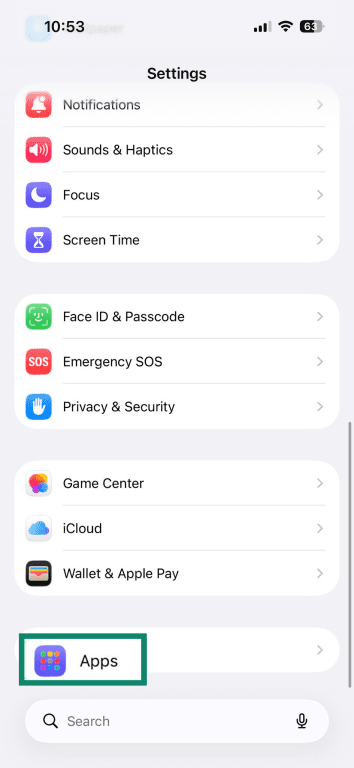
- Open Settings. Scroll down and tap Apps.
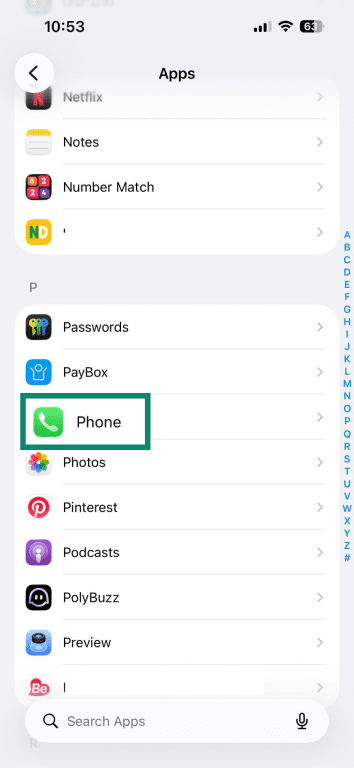
- Tap Phone.
- Toggle on Silence Unknown Callers.
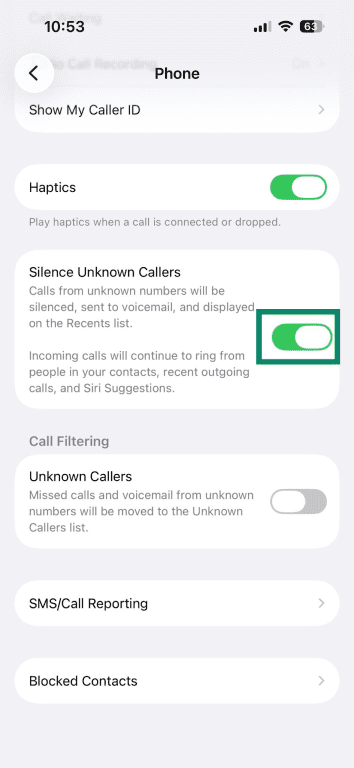
Menu names may vary slightly depending on your iOS version.
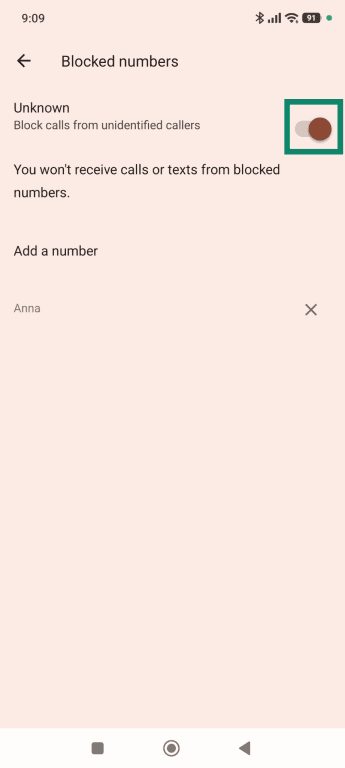
Blocking options on Android
Steps vary by manufacturer, Android version, and Phone app, but the general path is similar on many Android devices.
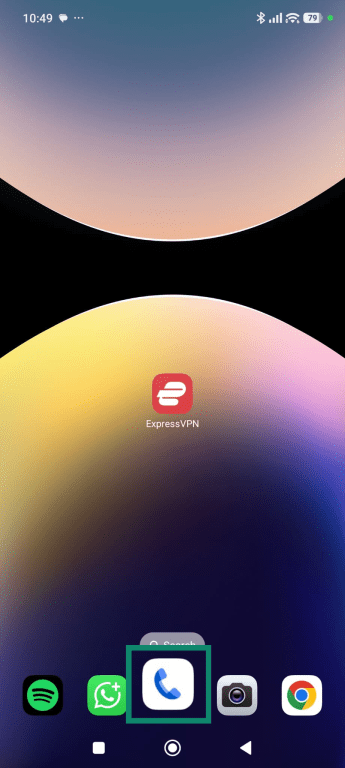
- Open the Phone app.
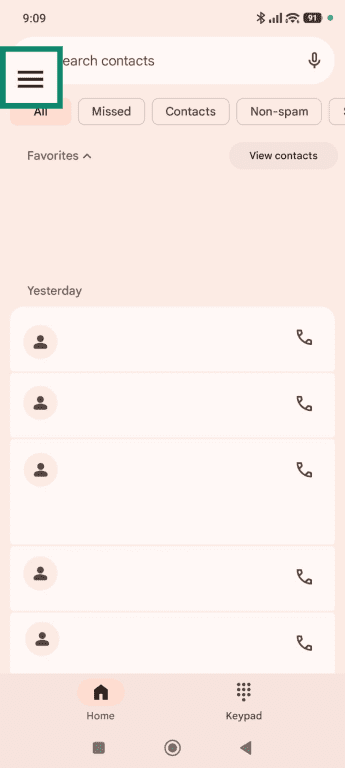
- Tap More options, usually shown as three lines or three dots.
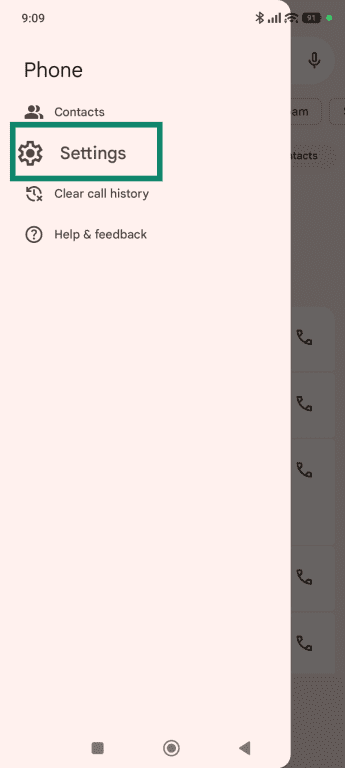
- Tap Settings.
- Open Blocked numbers.
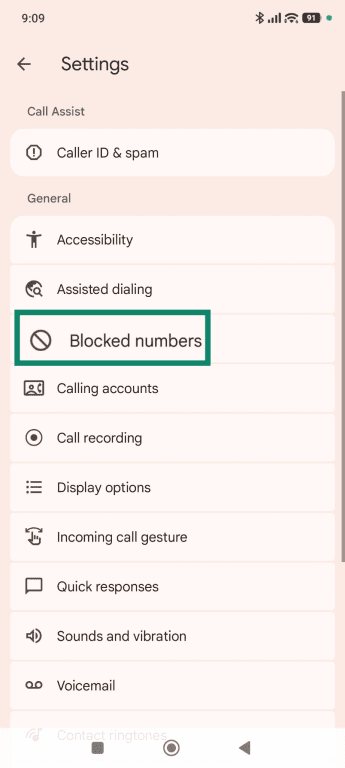
- Toggle on Unknown or Block calls from unknown numbers to block calls from private or unidentified numbers.
Carrier and third-party call filtering tools
Most major carriers offer call-filtering tools like spam labeling, anonymous call rejection, or scam call blocking. Some work at the network level before the call reaches your phone, while others rely on carrier apps or device settings. They can be a useful first line of defense, but they may also block or silence legitimate calls.
Third-party apps like Nomorobo, Hiya, or RoboKiller use spam databases, caller reputation data, user reports, and other signals to help identify and block suspected spam calls. No solution is perfect, but these tools can reduce the volume of unwanted calls. Before installing one, review its permissions and privacy policy so you understand what call data it can access.
Tips to protect yourself from phone scams
You can’t stop every suspicious call, but a few simple habits can make a big difference.
- Turn on spam filtering: Enable any spam protection, call screening, or unknown-caller filtering features available on your phone or through your carrier. The FTC says call blocking and call labeling are among your best defenses against unwanted calls.
- Don’t engage with suspicious prompts: Scammers may open with simple questions like “Can you hear me?” to record your response or confirm that your number is active. If an unexpected call starts this way, hang up.
- Keep your phone updated: Install operating system and app updates when they’re available. Security updates close vulnerabilities that attackers can exploit. The Cybersecurity and Infrastructure Security Agency (CISA) recommends enabling automatic updates on mobile devices.
- Don’t call suspicious numbers back: If a caller doesn’t leave a clear message, don’t return the call to an unknown number.
- Verify independently: If someone claims to represent a company or government agency, contact the organization using a number from its official website, app, or statement.
- Talk about scam tactics: People of all ages can be targeted, including older relatives and children. Make sure they know that urgent payment demands and requests for wire transfers, cryptocurrency, passwords, or verification codes are red flags.
FAQ: Common questions about Unknown Caller vs. No Caller ID
Can No Caller ID calls be traced?
Why do some legitimate calls show No Caller ID?
Can scammers fake an Unknown Caller label?
Will blocking unknown callers stop important calls?
Can I call back a No Caller ID number?