Is area code 934 spam? How to spot and reduce spam calls


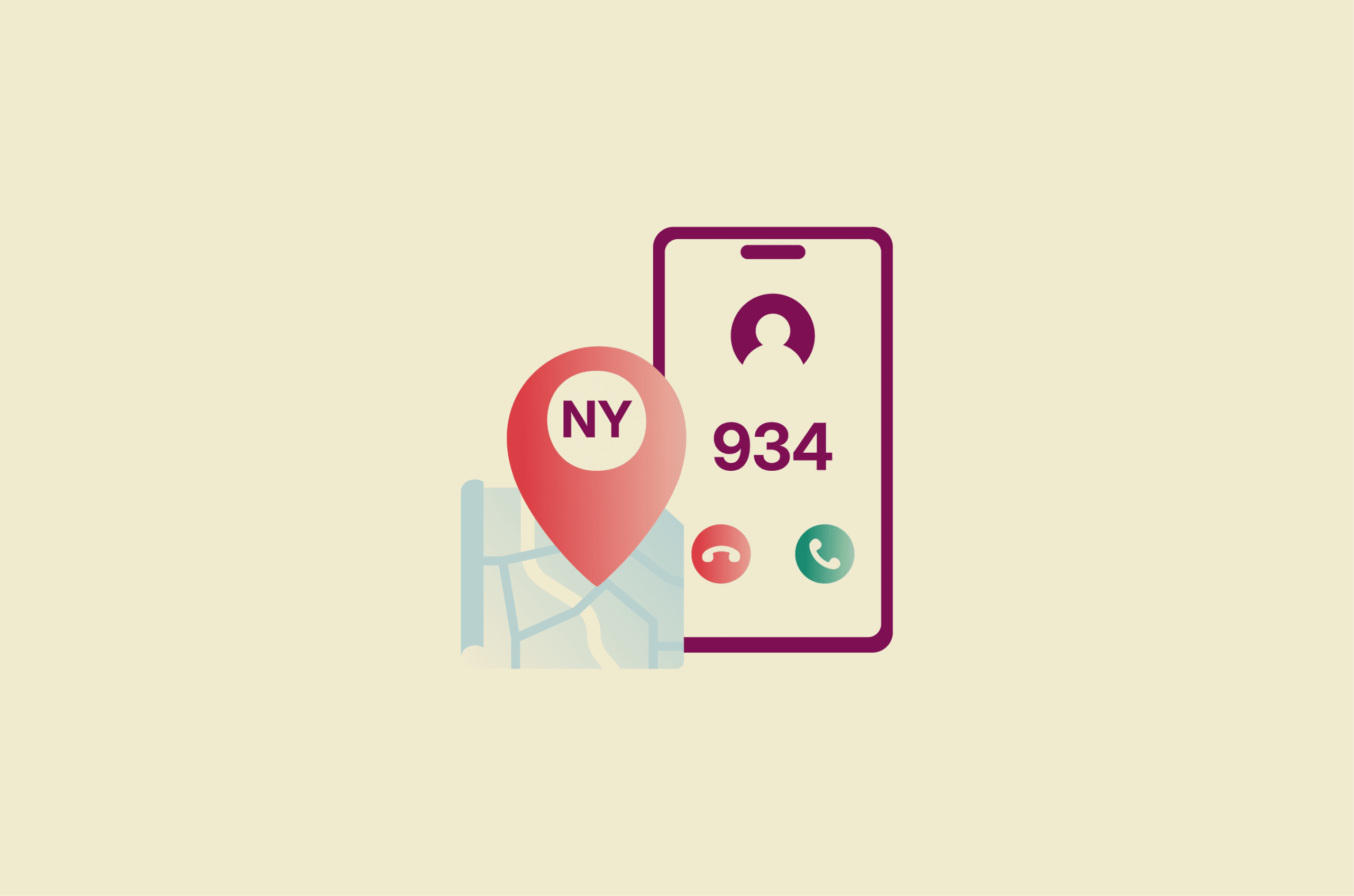
Area code 934 is a legitimate area code for Suffolk County, New York. It covers parts of Long Island, including Brentwood, West Babylon, and Coram, and overlaps with area code 631, an older code for the same region.
While it can appear in spam or scam calls, unsolicited calls from this code may still be genuine. This guide explains what these calls could mean and outlines ways to reduce spam calls.
Why are you getting spam calls from area code 934?
Spam calls from area code 934 can happen for several reasons.
Some spam campaigns use automated systems to dial numbers at random, while others rely on numbers collected from public sources, marketing lists, or data breaches. Legitimate area codes may also be spoofed because familiar or local numbers can seem more trustworthy to recipients.
How spam calls are delivered
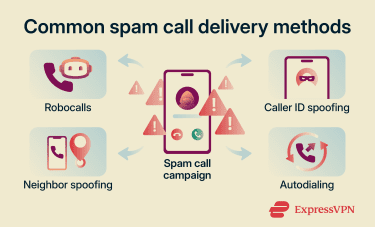 Spam callers and scammers use several methods to contact large numbers of people. Common examples include:
- Robocalls: Automated calls that play prerecorded messages instead of connecting to a live caller.
- Autodialing: Systems that automatically place large volumes of calls in a short period of time.
- Caller ID spoofing: Technology that changes the number shown on caller ID displays to disguise the true origin of the call.
- Neighbor spoofing: A form of caller ID spoofing where the displayed number resembles the recipient’s own number or area code.
Note that robocalls and autodialing are also used legitimately by businesses for purposes such as appointment reminders and service updates.
Common spam or scam call types associated with area code 934
These calls often follow recognizable patterns and may involve impersonation, pressure tactics, or requests for personal or financial information. Common examples include:
- Aggressive insurance calls: Attempt to sell insurance plans and may continue calling even after the recipient declines.
- Debt collection scam calls: Claim that a debt is owed and use pressure tactics to request payment, sometimes impersonating legitimate companies.
- Refund and tech support scams: Offer fake refunds while impersonating customer support representatives, often requesting financial information to “process” the payment.
- Delivery and verification scams: Claim that an order is delayed or an account needs verification, prompting requests for personal information or account details.
- Car warranty scams: Claim a car’s warranty is about to end without knowing details about the car.
Warning signs of a spam or scam call
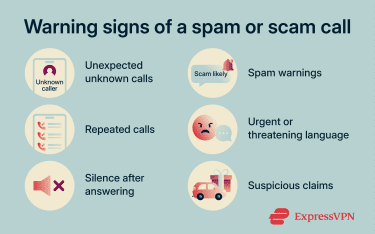 It can be difficult to identify a spam or scam call without answering, but several warning signs may help indicate one. These include:
- Unexpected unknown calls: Calls not associated with any known person, business, or service.
- Spam warnings: “Scam Likely” or “Suspected Spam” labels shown by phone apps or carriers.
- Repeated calls: Missed calls without a voicemail or follow-up calls from different unknown numbers.
If a call is answered, additional warning signs may include:
- Urgent or threatening language: Pressure or urgency intended to encourage quick action, such as transferring funds or sharing personal details.
- Silence: No response after answering may indicate an automated dialing system or a robocall. This alone doesn’t always indicate spam or a scam.
- Suspicious claims: Unexpected offers, such as refunds, prizes, or limited-time deals, used to encourage engagement.
One-ring calls from unfamiliar international numbers
Some spam campaigns use “one-ring” calls that hang up quickly, hoping that the recipient calls back. In some cases, these calls may come from international numbers with three-digit country codes that resemble North American area codes.
However, some of these numbers belong to countries and territories within the North American Numbering Plan (NANP), meaning they use the +1 country code and can appear similar to U.S. or Canadian numbers.
For unfamiliar missed calls, searching the number online may help identify whether it has been associated with spam or scam reports.
What happens if you answer a spam call from 934?
Answering a spam call may confirm that the number is active. In some cases, this may lead to additional spam calls or messages from the same campaign or other callers.
If a conversation continues, scammers may use pressure tactics to request money, account details, or other personal information.
Ways to reduce 934 spam calls
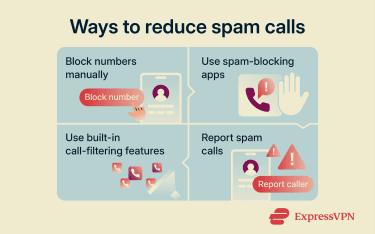 If spam calls from area code 934 become frequent, the following methods may help limit them.
Block the number manually
Blocking a number can help reduce repeated calls from the same caller.
The exact steps vary depending on the phone model and operating system, but most devices follow a similar process:
- Open the Phone app and go to the recent calls list.
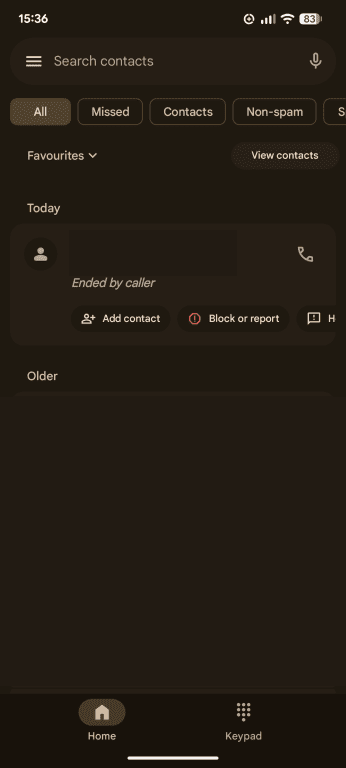
- Long-press on the number and select block or tap the block or report button next to the number.
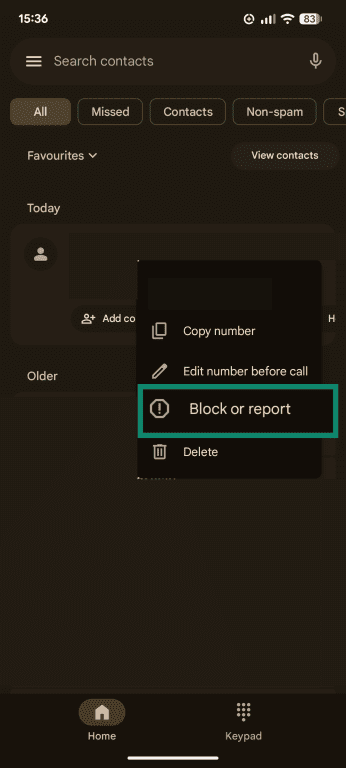
- Some devices may also offer the option to report the number as spam or a scam. Once you’ve selected to report the number, click Block to confirm.
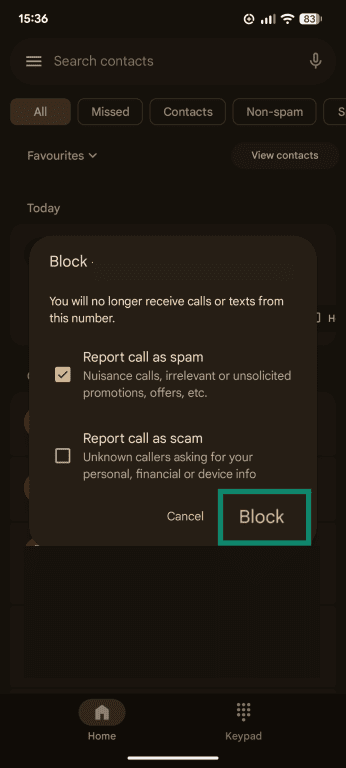
Note: Spam callers typically rotate between different numbers, so blocking individual numbers alone may not stop all future spam calls.
Read more: How to block a number on iPhone
Use a spam call-blocking app
Spam call-blocking apps are designed to detect and screen suspected spam calls. Some apps also offer additional call-filtering features, such as blocking specific area codes or international calls.
Many work by comparing incoming numbers against databases or community-maintained lists of reported spam numbers. If a number appears on those lists, the app may automatically block the call.
Because these apps often rely on access to call information and device permissions, features and privacy practices can vary. As such, it’s important to review ratings, permissions, and privacy policies before downloading an app.
Report spam calls to the proper channels
Spam calls can also be reported to consumer protection or telecommunications authorities, though the reporting process varies by country. In the U.S., for example, suspected spam or scam calls can be reported to the Federal Trade Commission (FTC).
In the U.S., people can also add their numbers to the National Do Not Call Registry. While this won’t stop contact from scammers, this may help reduce legitimate telemarketing calls.
Use built-in call-filtering features
Both Android and iOS devices typically include built-in tools to help screen, silence, or filter unknown calls.
On Android, some devices include spam protection, caller ID warnings, or call-screening features. On iPhone, the Silence Unknown Callers feature can route calls from numbers not saved in contacts to voicemail.
To enable these features, open the Phone or Settings app on the device and look for options related to spam protection, blocked numbers, or unknown callers. The exact steps may vary between devices and software versions.
Read more: How to stop spam calls and robocalls
Ways to reduce spam calls in the future
While spam calls can’t always be prevented, limiting exposure of a phone number and recognizing common scam tactics may help reduce unwanted calls.
- Limit personal information online: Data shared publicly or exposed in data breaches may be used in spam or scam campaigns. Using strong passwords and limiting unnecessary public sharing of personal information may help reduce exposure.
- Limit where a phone number is shared: Posting a phone number publicly on websites, forums, or social media may increase the likelihood of spam calls or messages.
- Learn common scam patterns: Scammers may follow similar behaviors, such as impersonating trusted businesses or spoofing familiar numbers. Understanding these tactics may help people respond more cautiously to unexpected calls.
Learn more: What can someone do with your phone number?
FAQ: Common questions about spam area codes
Should you call back a missed 934 number?
Can scammers fake a 934 phone number?
Why do spam callers hang up right away?
Can a spam call harm you if you do not answer?
How do scammers get your phone number?
Can blocking one spam number stop future calls?