-

Spear phishing: Everything you need to know
Spear phishing can be an especially effective type of online scam because it’s designed to appear legitimate. Rather than relying on broad, generic messages, attackers research their targets and tai...
-
What is a phishing campaign, and how do you stay protected?
Some phishing messages are easy to recognize: for example, an email from a “Nigerian prince” promising to send you millions of dollars, or a text message with spelling and grammar mistakes saying ...
-
Spam vs. phishing: Key differences and how to stay safe online
Most people’s inboxes are full of “spam” messages: sales emails, newsletters you never signed up for, or random promotions. While these messages can be annoying, they’re not inherently dangero...
-
How to set up a static IP address (step-by-step guide)
If you need to consistently reach a device, such as a gaming server or a smart-home hub, you don't want its Internet Protocol (IP) address to change in the background. Assigning a static IP gives it a...
-
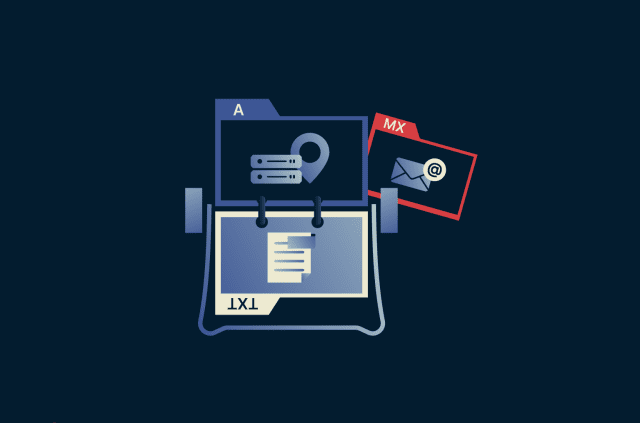
DNS record types explained: A complete guide for privacy
The Domain Name System (DNS) is a core piece of internet infrastructure, responsible for translating domain names into IP addresses so internet traffic can be routed correctly and facilitating communi...
-
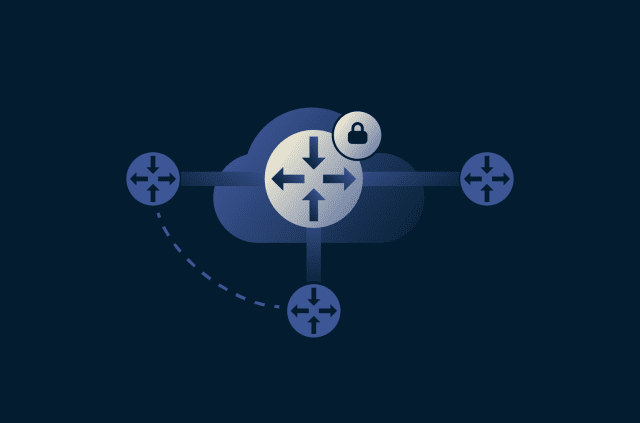
What is dynamic multipoint VPN (DMVPN)?
As networks expand across multiple offices and cloud environments, keeping every site securely connected becomes a challenge. Traditional virtual private network (VPN) setups often struggle to scale w...
-
The SLAM method for enhanced email and phishing security
Sender, Links, Attachments, and Message (SLAM) is an acronym that helps prevent you from falling victim to phishing attacks. It serves as a starting point for evaluating risk when you receive suspicio...
-

How to spot a credit card skimmer
Credit card skimmers are devices that criminals use to capture card details, and they’re typically fixed onto real card readers to trick customers. Fraud involving these devices results in significa...
-

DeepSeek vs. ChatGPT: Which AI tool protects your data better?
Large language models (LLMs) have become a part of everyday life for millions of people. Tools like ChatGPT and DeepSeek now handle everything from casual questions to business research and internal w...
-
Spotting UPS scam emails: What you need to know
When you expect a package, even if you’re not sure which carrier is delivering it, an official-looking email about a delay or problem can seem routine. In many cases, you might click this kind of al...

 Support Center
  Live Chat
  FAQ
FAQ