-
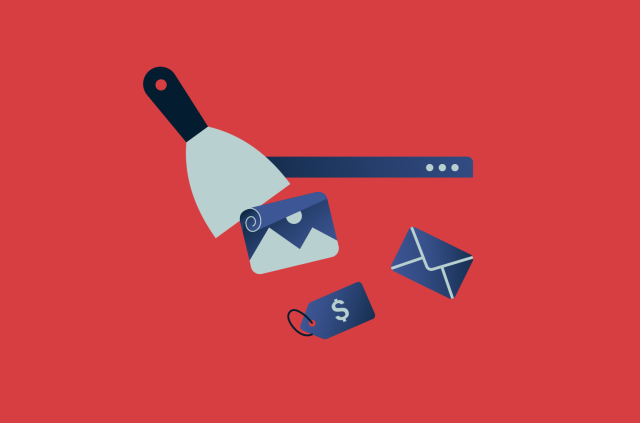
Data scraping: What it is and how it works
The internet holds an enormous amount of information, and a lot of it is collected automatically. Techniques like data scraping are widely used in business, marketing, and research to pull information...
-
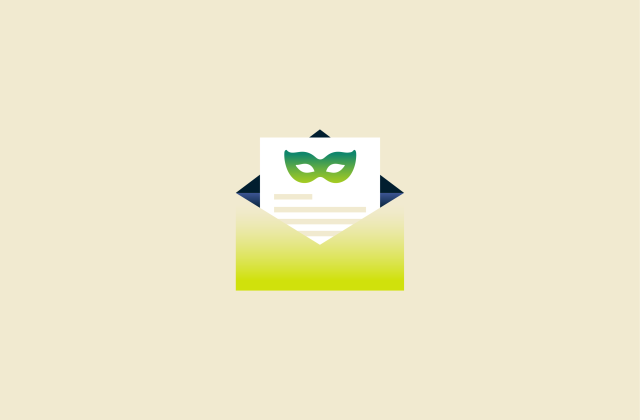
How to create a free anonymous email account
Most people use email every day without realizing how much personal information it can expose. A single email address can be tied to your online accounts, purchases, sign-ups, and communication patter...
-

What are trackers? Understanding how they affect your online privacy
Trackers are technologies that collect information about how you use websites, apps, and online services, often without your knowledge. They can track what you click, what you search for, how long you...
-
What is my local IP address?
Local Internet Protocol (IP) addresses help your devices communicate with each other and your router while remaining separate from the public internet. Knowing your local IP address can help with trou...
-

VoIP VPN: Complete guide to securing your internet calls
When you make a voice or video call online, it doesn't travel straight to your contact. It passes through networks, servers, and internet service providers (ISPs) along the way, each a potential point...
-

Cookieless tracking: How you’re tracked without cookies
Major web browsers are phasing out third-party cookies, the technology that has long enabled companies to track users across the internet. While this sounds like a win for privacy, it doesn't mean onl...
-
How to test your internet speed: A secure and simple guide
A fast internet connection lets you stream in high quality, download large files quickly, and enjoy smoother online gaming. Slow speeds, on the other hand, can lead to buffering, lag, and longer load ...
-

What is adware? Your complete guide to protection and security
Every day ads are a normal part of using the internet. You’ll likely encounter them every time you open your browser. However, if you’re constantly seeing pop-ups and intrusive ads, you might have...
-
Should you use a VPN at work? A practical guide
Whether you work from an office, a coworking space, or your living room, your internet connection is likely at the center of everything you do. A virtual private network (VPN) can help keep that conne...
-
The ultimate guide to phone security: How to protect your mobile device
You probably start your day by grabbing your phone. It’s where you check messages, manage money, snap photos, store tickets, and even get work done. With so much packed into one device, it’s no su...