-
How much internet speed do I need? Expert guide
When you’re choosing an internet plan, it can be difficult to know exactly how much speed you actually need. Too little can lead to lagging, buffering, or dropped calls, while paying for more than y...
-
PYSA ransomware: What it is and how to protect your organization
Protect Your System Amigo (PYSA) ransomware might not dominate today’s headlines the way it once did, but public and private organizations can still become targets if they lack strong security measu...
-
How to turn off safe mode on Android (complete guide + fixes)
When Android boots into safe mode, it can disrupt everyday workflows, block key apps, and interfere with security tooling. This guide walks through the most reliable methods for exiting safe mode, exp...
-
Remote Desktop Protocol (RDP): What does it do and is it secure?
Remote Desktop Protocol (RDP) is a popular tool for accessing Windows computers from a distance. It’s become a standard part of how many organizations maintain systems, support users, and facilitate...
-
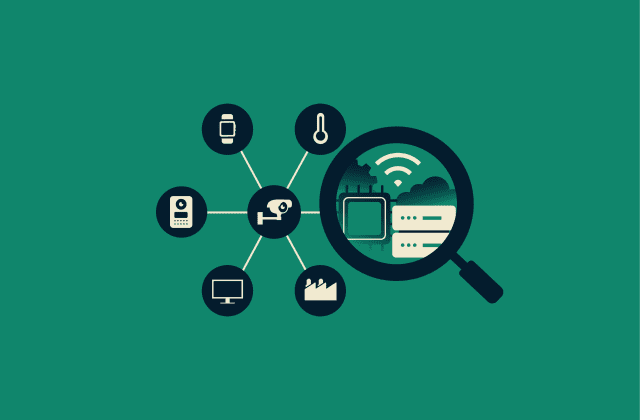
IoT infrastructure: Components, architecture, and best practices
For every smart gadget, there’s a complex system working quietly in the background to connect it, move its data, and keep everything running. That hidden system is the Internet of Things (IoT) infra...
-

What to do if your Discord account is hacked
When a Discord account is hacked, an unauthorized user can quickly take control. They might change your server roles or ownership and access your private messages. And, even though they can’t view y...
-

Deep packet inspection (DPI): How it works and why it matters
Deep packet inspection (DPI) is embedded in specialized network devices and services, most commonly corporate firewalls, intrusion detection and prevention systems (IDPS), and sometimes within the inf...
-

Discord malware: How to stay safe and clean your device
As one of the most active communication platforms, Discord attracts a wide range of communities, and, unfortunately, attackers who want to exploit that activity. Discord’s built-in file sharing, lar...
-

Internet speed for gaming: How fast do you really need?
Choosing the right internet speed for gaming starts with understanding what your ISP actually delivers. Latency, jitter, and overall stability matter more than fast download and upload speed when it c...
-
How to ping an IP address
Ping is one of the easiest ways to check if your device can reach another computer, server, or website. It shows you if a connection is working and how long it takes for data to travel back and forth,...

 Support Center
  FAQ
FAQ  VPN Setup Tutorials