Expressvpn Glossary
Data profiling
What is data profiling?
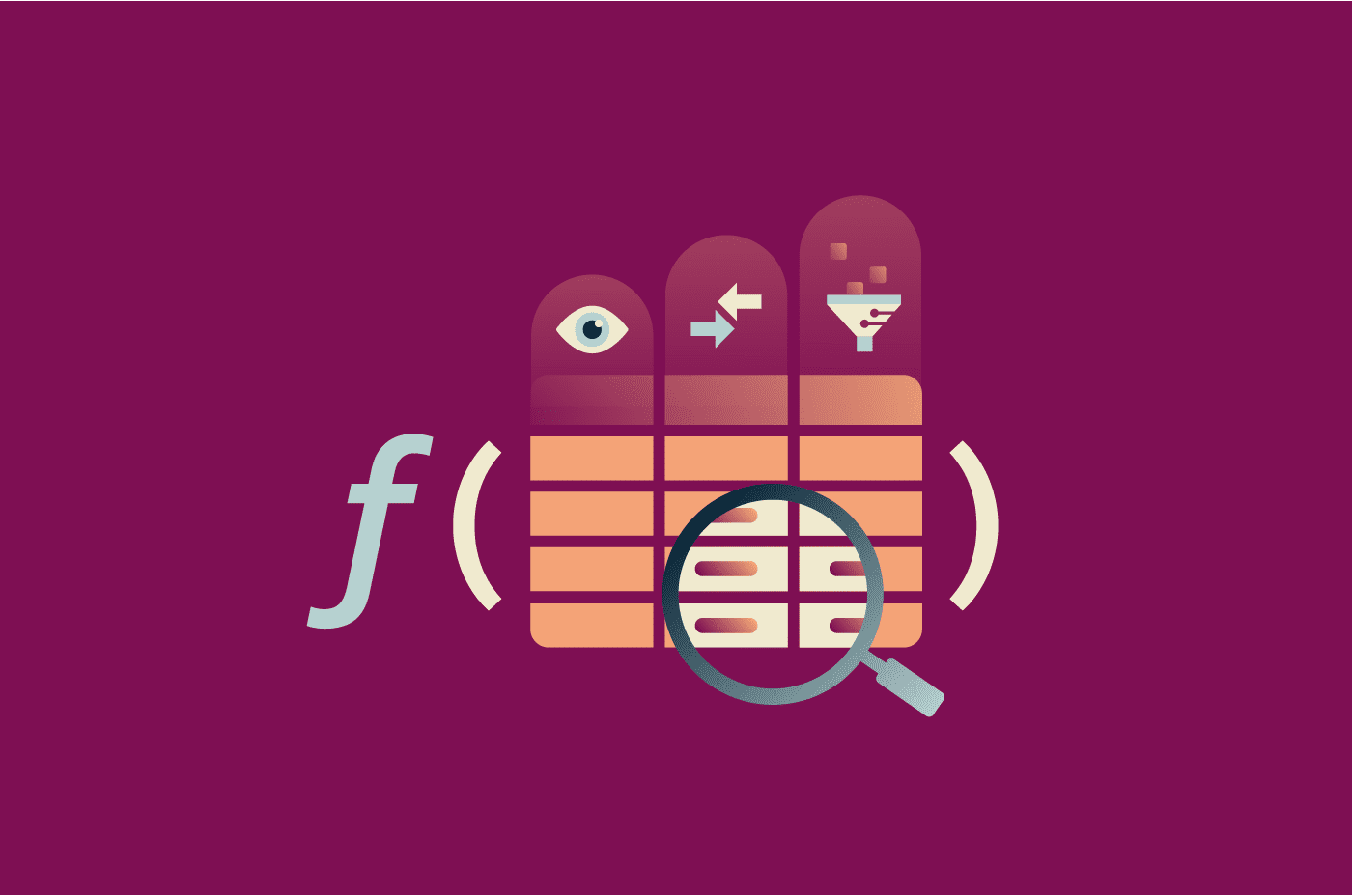
Data profiling is the process of examining a dataset to understand what data it contains, how it’s organized, and how reliable it is. Profiling analyzes fields, values, and relationships to build a clear picture of the data in its current state. It’s used to help determine whether the data is suitable for use or if it needs further review.
How does data profiling work?
 Data profiling is usually carried out using automated software that analyzes a dataset or a defined subset. This software can take different forms, including:
- Database profiling engines: Tools designed to scan database tables and fields to summarize structure, values, and basic data patterns.
- Data quality assessment tools: Software that evaluates datasets for issues such as missing values, duplication, or inconsistent formatting.
- Metadata scanners: Systems that extract descriptive information about datasets, such as field names, data types, and ownership details.
- Statistical analysis software: General-purpose analysis tools that can be used to identify distributions, outliers, and unexpected variation in data.
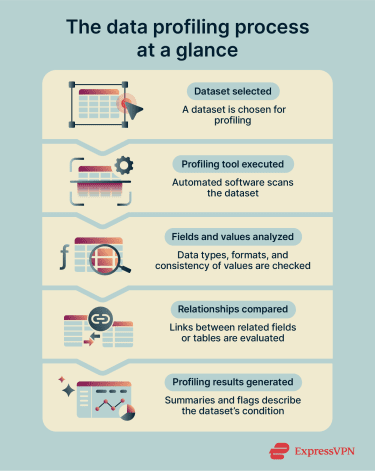
Typically, a data analyst or engineer initiates the data profiling process by selecting a dataset and defining which tables or fields should be examined.
The profiling system then processes the dataset field by field. It performs checks based on the field’s data format and structure as well as other defined parameters, which depend upon the type of data profiling being performed. The results describe the dataset’s condition and indicate areas that may need changes before the data is used.
Types of data profiling
There are several types of data profiling that can be applied to different aspects of a dataset, depending on what needs to be examined:
- Structure profiling: Analyzes how a dataset is arranged, including which fields are present and how data is categorized within them. It also looks at whether the overall structure aligns with what systems or processes expect.
- Content profiling: Reviews the values stored in fields to understand what’s actually present in the data. This may include observing where entries are missing, repeated, or recorded in different formats within the same field.
- Relationship profiling: Assesses how data elements connect to one another; particularly useful when information is spread across multiple tables or files. This can identify cases where expected links between records are incomplete or inconsistent.
- Metadata profiling: Focuses on descriptive details about the dataset rather than the data values themselves. These details can include field names, labels, timestamps, or ownership information.
Why is data profiling important?
Data profiling helps teams understand the quality and reliability of data before it’s used. Without profiling, data is often assumed to be trustworthy just because it exists. This assumption can lead to incorrect reports, misleading results, or systems behaving in unexpected ways.
Profiling also helps catch problems early. Data issues tend to surface during migrations, integrations, or audits, when they are harder and more expensive to fix. Identifying these issues earlier avoids these problems and ensures teams rely upon accurate and error-free data.
Security and privacy considerations
Data profiling involves direct interaction with datasets, introducing security and privacy considerations depending on how and where it’s carried out:
- Data profiling outside the original system: Profiling may be run in analytics, testing, or cloud environments rather than within the system where the data was originally stored. These environments often have different access controls, monitoring practices, or data retention rules, which can have compliance implications and potentially affect the security of sensitive information.
- Handling summaries and outputs from profiling: Summaries, statistics, samples, or logs derived from profiling may reflect sensitive information, even when raw records aren’t included. If stored or shared without proper controls, they can become an unintended source of data leakage.
- Compliance with data protection laws: When datasets include personal, health, or payment-related information, profiling processes need to align with applicable data protection frameworks such as the General Data Protection Regulation (GDPR) or the Health Insurance Portability and Accountability Act (HIPAA). This includes appropriate access controls, storage, reuse, and retention of both the data and any profiling outputs.