Expressvpn Glossary
Data dictionary
What is a data dictionary?
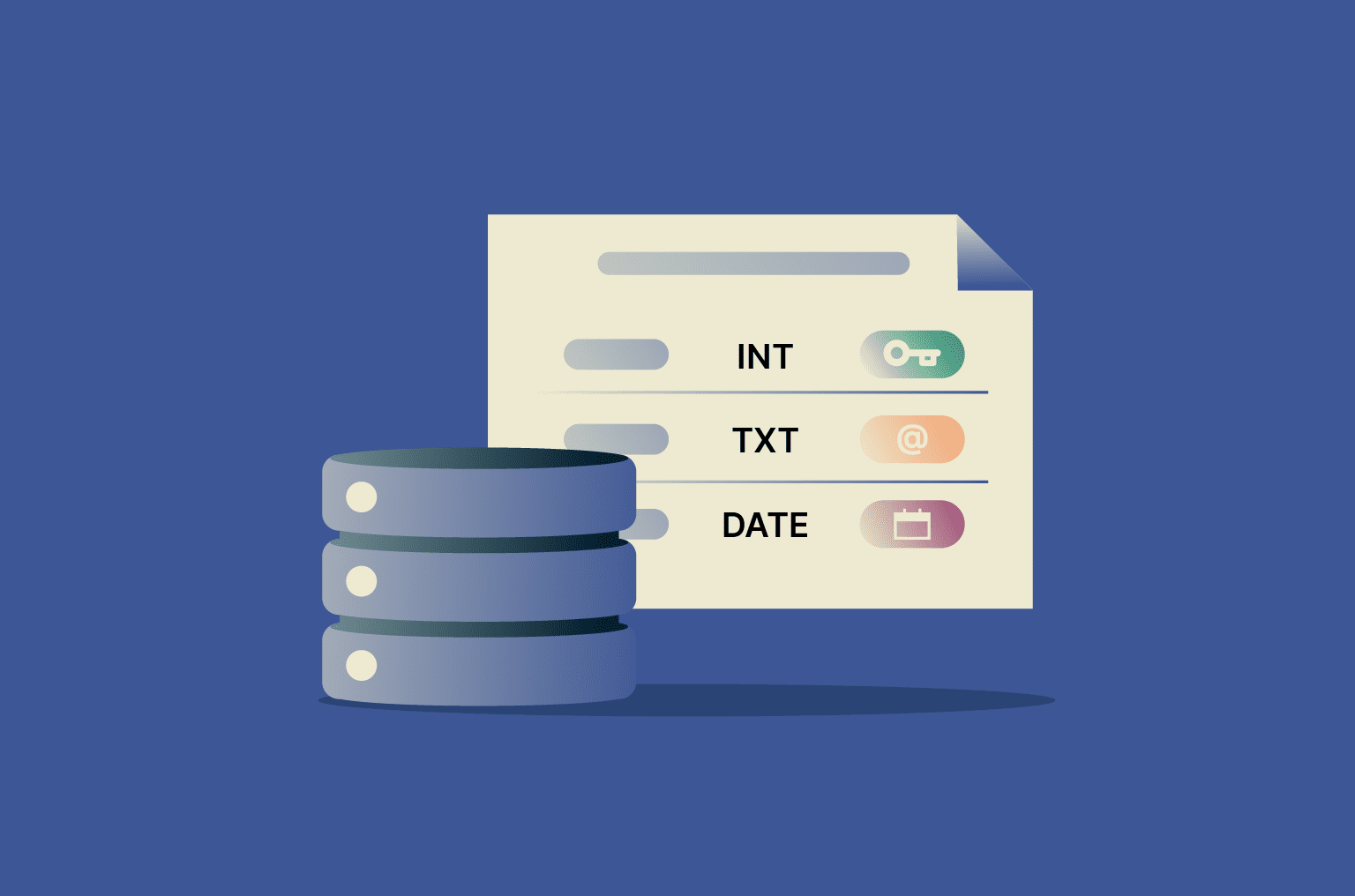
A data dictionary is a centralized repository or collection of metadata that lists the name, meaning, format, and usage of each data element in a database. It’s used to provide the people who acquire, access, and handle that data with a shared understanding of how it’s structured and interpreted. This helps to ensure consistent data management.
How does a data dictionary work?
A data dictionary stores metadata about the data elements that appear in a database. It defines each element’s name, type, format, default values, and relationships to other elements.
By keeping this information in one place, a data dictionary acts as a reference for how data is stored, accessed, and linked, so different users and tools handle it in a consistent way.
Why are data dictionaries important?
A well-structured data dictionary organizes how information is defined, stored, and shared across teams. Here are some of the main benefits it offers:
- Promotes consistency across systems and teams: Standardizes terminology, formats, and relationships.
- Improves data quality and documentation: Reduces errors, prevents duplication, and makes data easier to understand and analyze.
- Supports security and compliance: Documents how data is stored, accessed, and protected to support governance and compliance standards.
- Helps developers and analysts understand structure and dependencies: Reveals how tables link, which fields matter, and where changes might cascade.
Components of a data dictionary
A useful data dictionary typically includes the following key components:
- Data element name and definition: The identifier for each field and a clear explanation of what it represents, its purpose, and its context.
- Data type: Specifies the kind of data the element holds (for example, text, number, or date) and its format.
- Default values and constraints: Defines any preset values and rules that restrict acceptable input.
- Relationships: Shows how one element links to or depends on another.
- Source, ownership, and change history: Identifies where the data comes from, who is responsible for maintaining it, who approved it, and when it was created or last updated.
Specific components can vary depending on the needs of the system or organization.
Data dictionary vs. database schema
A database schema defines the formal structure of a database that the database system enforces, including tables, fields, data types, relationships, indexes, and constraints.
A data dictionary builds on that structure by providing additional, human-readable details about each data element, such as its business meaning, purpose, allowed values, origin, and how it should be used and interpreted.
For example, the schema might show that there’s a Customers table with a CustomerID integer key linked to Orders. The data dictionary would explain that CustomerID is a unique identifier assigned by sales, the format is integer, and whether nulls are permitted.
Examples of data dictionaries
Data dictionaries appear across many environments, from traditional databases to modern analytics platforms:
- Enterprise databases: Built-in dictionaries in systems like Oracle, SQL Server, and MySQL document tables, columns, and relationships.
- Data warehouses and analytics systems: Platforms such as Snowflake or BigQuery use data dictionaries to manage metadata at scale.
- APIs and software documentation tools: Define data fields, parameters, and expected formats for developers.
Further reading
- What is cybersecurity? A simple guide for beginners
- What is data privacy and why it matters: A complete guide
- Cybersecurity tips for small businesses
FAQ
What is the purpose of a data dictionary?
The purpose of a data dictionary is to help organizations manage and interpret data consistently. It serves as a central reference that defines each data element, its format, and its use, reducing confusion, duplication, and data entry errors.
Is a data dictionary the same as metadata?
Metadata means “data about data,” for example, a creation date, author, or file size. A data dictionary is a specific structured collection of metadata focused on data elements like names, types, and relationships within a system.
Who uses a data dictionary?
Data dictionaries are used by database administrators, developers, data analysts, and even business stakeholders. Everyone who needs to understand or manage data elements can benefit from this clear referencing system.