Expressvpn Glossary
Credentials
What are credentials?
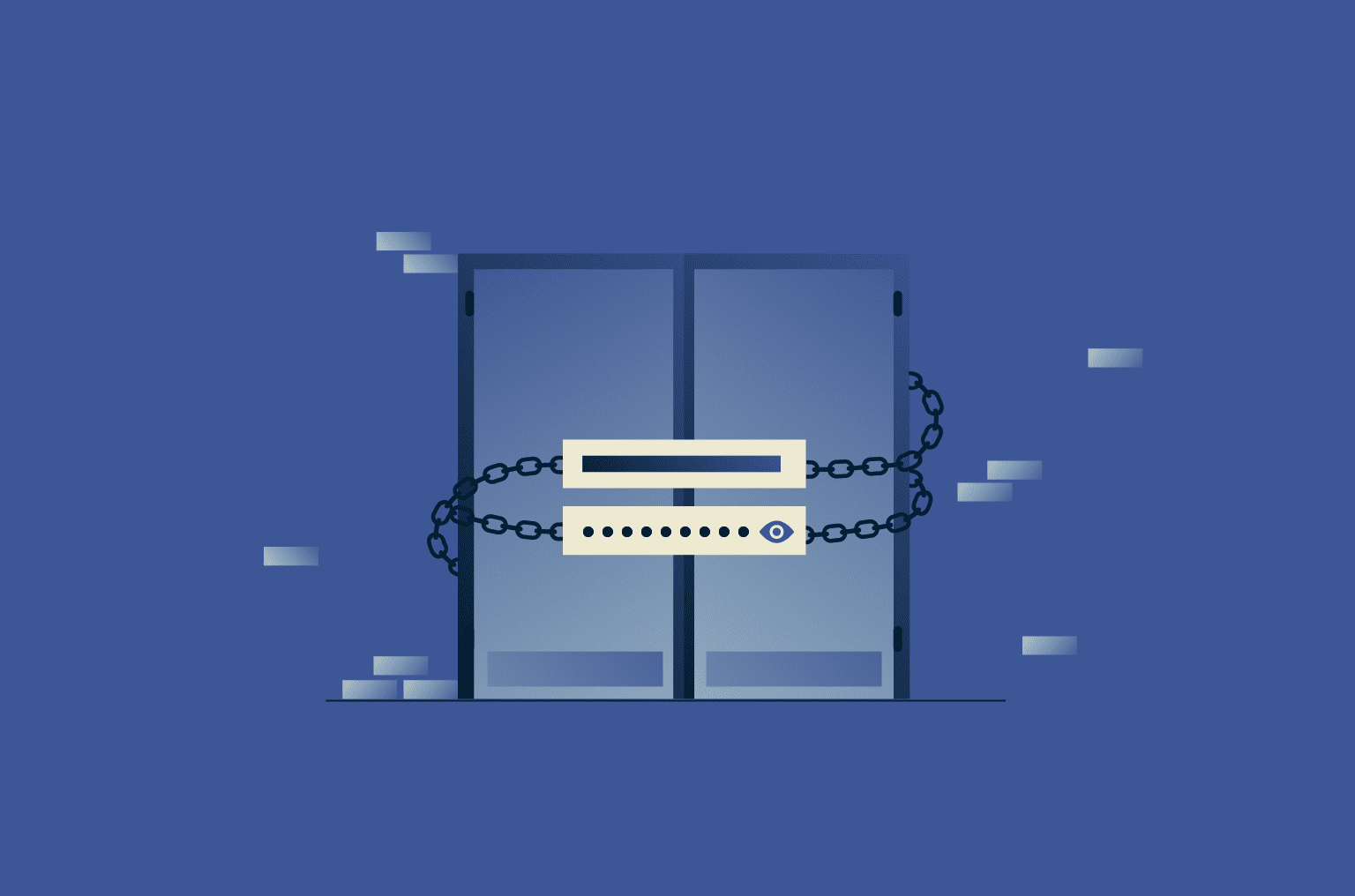
Credentials are information used to verify the identity of a person, device, or system when requesting access to an account or other resource. They confirm that the person or system attempting to log in has permission to access the account or system.
How do credentials work?
Most systems rely on two components for authentication: a username and a password. A username is often publicly known while passwords are always meant to be kept private.
Some secure systems and accounts require additional credentials. Many websites and apps now support or even require multi-factor authentication (MFA), meaning two or more proofs of identity are needed in addition to the account name. This is often a password paired with a one-time code sent to a phone. Alternatives include a fingerprint or facial scan, a physical key, or a code generated by an app. Whatever the method, MFA provides extra security in the event of credential theft.
Once credentials are entered, the system compares them with its stored records. If they match, access is granted. If not, entry is denied.
Why are credentials important?
Credentials serve as the first barrier against unauthorized access, protecting accounts and sensitive data from exposure. Beyond access control, they verify identity, enabling trust in digital systems and making secure communication, transactions, and collaboration possible.
Where are they used?
Credentials are used across nearly all digital environments. They are required for logging into websites, mobile apps, and virtual private networks (VPNs), as well as securing corporate systems, databases, and internal networks. They also play a critical role in accessing cloud services and in verifying identity within industries such as banking, e-commerce, and healthcare.
Further reading
- The best ways to store passwords securely
- ExpressVPN Keys password manager
- What is two-factor authentication
- 2FA vs. MFA
FAQ
How are credentials different from authentication?
Credentials are the information provided to prove identity, while authentication is the process of verifying them. Authentication relies on credentials like passwords, tokens, or biometrics to confirm access requests and determine whether to grant or deny entry.
What are the most secure types of credentials?
The most secure types of credentials are those that combine multiple factors, such as biometrics and hardware tokens. Multi-factor authentication (MFA) strengthens security by requiring more than one form of proof, making it harder for attackers to gain access even if one credential is compromised.
Can credentials be stolen or hacked?
Yes, credentials can be stolen through phishing, malware, or database breaches. Once exposed, attackers may impersonate users to access sensitive systems or data. Multi-factor authentication (MFA) safeguards against credential theft by requiring an extra layer of verification.
How can I protect my credentials?
Credentials can be protected by setting strong, unique passwords, enabling multi-factor authentication (MFA), and storing login details in password managers.
What happens if my credentials are stolen?
Stolen credentials allow attackers to gain access to accounts, systems, or financial data. The impact of credential theft can range from unauthorized purchases to large-scale data breaches.
What is credential management?
Credential management is the process of securely creating, storing, and rotating credentials throughout their lifecycle. Proper credential management reduces the risk of exposure, improves security practices in organizations, and simplifies access without compromising protection. Using a password manager is a good way to manage credentials.
 Support Center
  FAQ
FAQ  VPN Setup Tutorials