What is a sneaker bot and how does it work?


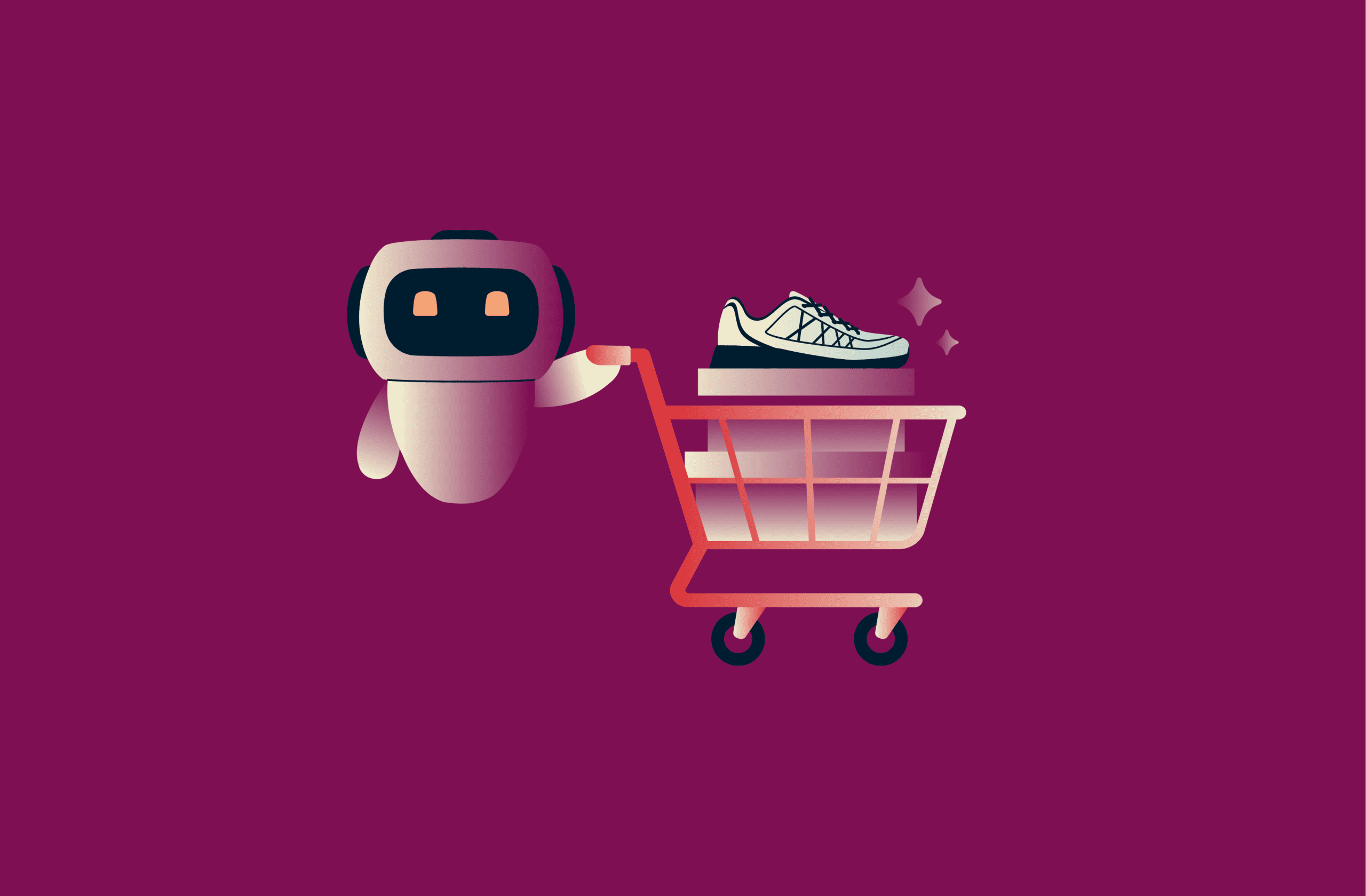
Sneaker bots are automated tools used to gain an unfair advantage when purchasing limited-edition sneakers online. They interact with retail websites by monitoring product releases, adding items to cart, and completing checkout faster than manual buyers can.
This article explains what sneaker bots are and how they affect consumers and retailers. It explores the business and customer impact of automated purchasing, such as reduced product availability, distorted pricing, and strain on site resources. It also outlines the key measures retailers can use to detect and limit bot activity, along with the legal and ethical considerations surrounding their use.
Note: This article is for informational purposes only and does not endorse the use of automated purchasing tools.
What is a sneaker bot?
A sneaker bot, or a “shoe bot,” is a software program used to make quick purchases during limited sneaker releases, where demand often exceeds available stock. These tools are built to automate steps that would otherwise be done manually. This includes monitoring product pages, adding items to a cart, and submitting checkout information during short release windows.
Rather than relying on a single browser session, bots can also perform many actions at the same time. For example, they can send multiple purchase attempts to a retailer’s website in quick succession, increasing the likelihood of success before the product sells out. Some bots are also capable of handling multiple accounts or tracking several items simultaneously.
Sneaker bots don’t guarantee a successful purchase, and outcomes depend on factors like site anti-bot protections, stock levels, and competition from other buyers. However, rapid automation means bots often secure limited sneakers before manual buyers can even finish entering payment details.
Speaking to CNBC, a representative for Nike estimated that up to 50% of entries are bots during high-demand sneaker launches. That said, the company also claimed that it has a 98% success rate for combating these bots.
Are sneaker bots illegal?
Sneaker bots themselves aren’t necessarily illegal, but the activity they enable could be. Legality often depends on what the bot is being used for and how it's operating.
That said, even if the bot’s activity isn’t illegal, sneaker bots usually violate retailer terms of service and platform rules.
Terms of service and retailer policies
Terms of service are the rules users agree to when visiting or shopping on a website. Many retailers explicitly ban automated purchasing tools. Violating these terms can lead to cancelled purchases, banned accounts, or IP address/device blocks.
For example, Nike’s terms of use explicitly prohibit the use of bots on any of its services, including its SNKRS platform. If a user tries to purchase limited-release sneakers using a bot, Nike may cancel the order, block the user, and deny access to future releases.
Legal status in different countries
As of writing, there is no specific U.S. federal law that explicitly bans sneaker bots by name. However, bot activity may violate computer misuse, fraud, consumer protection, or anti-circumvention laws depending on how the software is used.
In the U.S., the Stop Grinch Bots Act has been proposed and would expand enforcement authority against automated purchasing tools used for high-demand goods. The Act has not yet been passed into law but would allow state attorneys general to file a lawsuit against botters or anyone reselling products on their behalf.
While they don’t cover sneaker bots specifically, some laws have also been introduced to criminalize similar bots that are used to automate ticket sales. For example, the U.K. Digital Economy Act 2017 and the U.S. Better Online Ticket Sales (BOTS) Act of 2016 both outlawed ticket scalping using bots.
How do sneaker bots work?
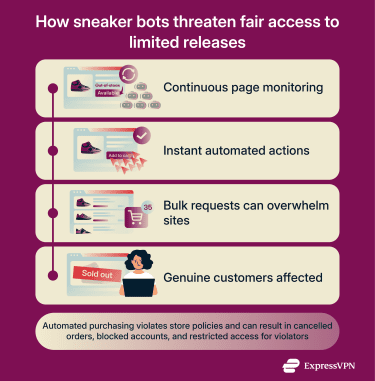 Sneaker bots operate by mimicking human behavior on retailer websites, but they do so at a much higher speed and with greater precision.
At a technical level, this means the sneaker-copping software uses pre-written instructions, often called scripts, to monitor a webpage for specific changes. For example, a script may repeatedly check whether a product has moved from “out of stock” to “available” or whether a checkout button has become active. When a change is detected, the bot automatically responds by performing the next step in the purchasing process.
Common sneaker bot architectures
Sneaker bots can be built in different ways depending on how they are designed to interact with websites. Understanding these architectures helps website owners recognize how automated traffic behaves, why certain attacks are harder to detect, and what kind of defenses are required.
Below are some common architectures:
Request-based architecture
Instead of loading a full webpage, a request-based bot communicates directly with the retailer’s servers using raw HTTP requests. For retailers, this type of automation is typically associated with sudden spikes in API calls, unusually consistent request patterns, and high-speed cart and checkout actions.
Browser-based (headless) architecture
Browser-based bots control a real web browser. They load the full retail website and simulate user actions like clicking buttons and filling out forms. “Headless” means the browser runs in the background without showing a window.
For retailers, this means bot traffic may look closer to legitimate user activity and can bypass simple request-based detection methods. Identifying these bots often requires advanced techniques such as browser fingerprinting and behavioral analysis.
Specialized variants
- AIO (All-in-one) bots: Can switch between different retail platforms using specialized modules.
- Command-Line interface (CLI) bots: Come with no graphical interface but instead run through a device’s CLI (the text-based way of giving commands to a system, such as macOS’ Terminal).
Types of sneaker bots
Automated purchasing tools are not all designed for the same stage of an online release. Some focus on bulk checkout attempts, while others target account creation, session management, or resale workflows. Breaking them into categories makes it easier to identify suspicious patterns and apply the right mitigation strategies.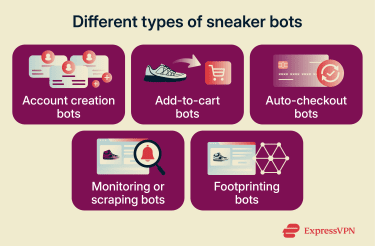
Retail bots vs. resale bots
Retail bots are simply any bots built to buy sneakers (or other products) directly from official brand websites and large online retailers.
Sometimes referred to as scalper bots, resale bots are retail bots used with the express purpose of reselling any products purchased. Products are often resold at a higher price, benefiting from the scarcity created by the bots themselves.
Account creation bots
Account creation bots are designed to automate the process of registering user accounts on sneaker websites. Instead of manually signing up one account at a time, these bots can create many accounts in a short period by completing basic setup steps automatically.
Add-to-cart bots
Add-to-cart (ATC) bots specialize in one specific step of the buying process. They are designed to detect when a sneaker becomes available and immediately add it to the shopping cart.
Auto-checkout bots
Auto-checkout bots cover the entire buying process from product selection to payment submission. Once configured, they attempt to complete a purchase without any manual input.
Monitor bots
Monitor bots, or scraping bots, don’t buy sneakers at all. Their role is to watch product pages and send alerts when stock appears or changes.
Footprinting bots
Footprinting bots focus on gathering data rather than buying sneakers directly. They scan websites to collect information such as product URLs, stock patterns, release timing, and site behavior under load.
How sneaker bots impact businesses and customers
Sneaker bots affect more than just who gets a pair of shoes. Their use changes how releases work, how brands are perceived, and how everyday customers experience online shopping.
Consumer impact
For consumers, sneaker bots impact the online shopping experience in several ways, including:
- Reduced access and resale price inflation: Automated bulk purchases can make products sell out within seconds and reappear on secondary markets at significantly higher prices. This limits fair retail access and discourages genuine customers from taking part in future releases.
- Frustrating and unreliable shopping experience: Bot traffic can slow websites, trigger errors, and cause checkout failures. Genuine buyers could spend significant time preparing for a release without a realistic chance of completing a purchase.
- Privacy risks of unregulated tools: Some buyers feel forced to join paid groups or use questionable automation software to compete. This often requires handing over sensitive financial information to make purchases, leaving the user at risk of theft or fraud.
- Scam bots: Many services claiming to offer sneaker bots are scams in disguise. They might charge for a bot that doesn’t work or download malware onto the user’s device.
- Account bans and financial loss: Retailers frequently suspend accounts linked to suspicious activity. Consumers who try to use bots may end up with cancelled orders, loss of loyalty rewards, delayed refunds, and exclusion from future purchases.
Business impact
For online retailers, sneaker bots pose several potential issues, such as:
- Uneven product distribution: High-volume automated checkouts can capture a large share of limited inventory within seconds. This prevents products from reaching a broad audience and weakens fair-access sales models designed to reward genuine customers.
- Brand reputation damage: Repeated sell-outs and failed checkouts are often blamed on the retailer, even when automation is the root cause. Over time, this can reduce customer trust, lower engagement with future releases, and affect long-term loyalty.
- Site performance and operational strain: Large spikes in scripted requests can overload product pages, carts, and checkout systems. Genuine users may experience slow loading times, errors, or queue failures during peak launches.
- Higher security and infrastructure costs: Preventing automated purchasing requires investment in traffic filtering, rate limiting, monitoring tools, and bot-mitigation services. These ongoing expenses can reduce margins or increase platform and operational costs.
- Distorted analytics and demand signals: Automated traffic can inflate page views, conversion attempts, and geographic demand patterns. Decisions based on this data may lead to inaccurate forecasting, inefficient inventory allocation, and less effective marketing strategies.
How retailers can defend against sneaker bots
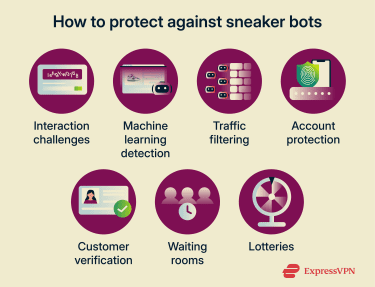 To preserve fair access and protect the customer experience, retailers can deploy dedicated anti-bot controls. These measures are designed to identify automated traffic, limit bulk purchasing, and ensure that limited inventory reaches genuine buyers rather than scripted checkouts.
- Implement interaction challenges: CAPTCHAs, visual verification steps, and controlled pop-ups help confirm that a real person is present. These checks help stop large volumes of low-effort automation.
- Apply behavioral analysis and machine learning: Scrolling patterns, mouse movement, typing cadence, and click timing can be monitored to distinguish human sessions from scripted ones. Machine-learning models can continuously flag activity that deviates from normal customer behavior.
- Deploy web application firewalls: A web application firewall (WAF) filters incoming traffic and can also enforce rate limits, blocking excessive requests from a single IP, device, or session to prevent high-speed automated purchasing attempts.
- Strengthen account protection: Controls such as multi-factor authentication (MFA), account creation limits, and IP or device reputation checks can help prevent automated sign-ups and account takeovers.
- Prioritize verified customers: Retailers may require account verification or restrict purchases to certain regions. These methods make it more difficult for bots to complete transactions and help ensure genuine customers can participate in releases.
- Use waiting rooms: Waiting rooms are virtual queues that manage high traffic during popular releases. They slow down the flow of users to the site, giving more users a fair chance to access products.
- Try lotteries: Instead of selling products on a first-come, first-served basis, participants enter a random drawing for the opportunity to buy a limited release. This reduces the advantage of speed-based automation.
FAQ: Common questions about sneaker bots
Are sneaker bots worth it?
Sneaker bots can introduce significant risk for users. Orders linked to automated activity are often cancelled, and associated accounts can be suspended. If bot activity is unlawful, users can also face legal consequences.
Is sneaker botting illegal?
While automation tools themselves aren’t always unlawful, the way they are used often breaks retailers’ terms of service. When this happens, companies typically cancel the orders and suspend or permanently close the accounts involved. For customers, this can mean lost payments, locked profiles, and long-term restrictions on future purchases.
Can websites detect sneaker bots?
Yes, websites can detect automated activity. Retailers monitor behavior patterns such as speed of clicks, request volume, and technical identifiers like IP addresses or browser fingerprints. Advanced detection systems can also use AI to flag suspicious accounts. Many retailers now employ machine-learning models that continuously look for and shut down suspected bot sessions.
Take the first step to protect yourself online. Try ExpressVPN risk-free.
Get ExpressVPN